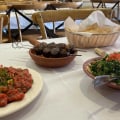
Lebanese restaurants in Denver, CO often stand out because of their warm hospitality, flavorful dishes, family-style dining traditions, and menus built around items such as hummus, tabbouleh, shawarma, falafel, kibbeh, grilled meats, fresh pita, and house-made sauces. While customers usually notice the food, atmosphere, and service first, long-term restaurant success also depends on the strength of the business agreements behind daily operations. Smart agreements help restaurant owners protect their relationships with landlords, suppliers, employees, delivery platforms, caterers, event partners, and service providers. Without clear written terms, even a well-loved restaurant can face avoidable disputes, rising costs, missed deliveries, unclear responsibilities, or interruptions that affect the customer experience.
Vendor and Lease Agreements Matter
For Lebanese restaurants, vendor agreements are especially important because ingredient quality and consistency can shape the identity of the menu. If a supplier changes pricing without notice, delivers late, provides lower-quality products, or fails to meet food safety expectations, the restaurant may struggle to maintain the same flavors customers expect. Agreements with vendors can outline delivery schedules, payment terms, product standards, replacement policies, cancellation rules, and dispute procedures. Lease agreements also deserve careful attention because location, signage, parking, patio use, kitchen ventilation, maintenance obligations, and renewal options can directly affect profitability. In a competitive food market like Denver, a restaurant’s physical space and supplier relationships can influence whether the business grows steadily or faces constant operational pressure.
Reducing Legal and Operational Risk
Smart business agreements also help reduce legal and operational risk. Restaurants are public-facing spaces where employees, guests, vendors, delivery drivers, and contractors interact daily. Written agreements can clarify insurance responsibilities, safety expectations, repair obligations, confidentiality, payment timelines, and liability issues. This matters because misunderstandings can become expensive when they involve injuries, property damage, broken equipment, spoiled food, or service interruptions. While restaurant agreements are different from injury claims, firms such as Jordan Law Accident & Injury Lawyers reflect the broader importance of understanding responsibility, rights, and legal exposure when businesses serve the public and rely on many moving parts.
Supporting Growth and Brand Reputation
As Lebanese restaurants grow, agreements become even more important. A restaurant may expand into catering, private events, packaged dips or sauces, food truck service, delivery-only menus, or additional locations. Each new opportunity involves relationships that should be documented clearly. Catering agreements may need terms for deposits, guest counts, cancellation policies, staffing, delivery, and setup responsibilities. Online ordering and delivery arrangements may involve commission fees, customer complaint procedures, refund rules, and branding concerns. Employee policies should also be updated as the team grows to support consistent service, workplace safety, scheduling, and training. With the right agreements in place, owners can focus on growth without leaving major responsibilities undefined.
Building Long-Term Confidence
Ultimately, Lebanese restaurants in Denver, CO build long-term success when their business agreements support the same care and consistency they bring to the dining experience. Clear contracts help protect food quality, reduce disputes, manage costs, and preserve trust with customers and partners. They also give owners a stronger foundation for making decisions, handling problems, and planning future growth. In a restaurant industry where margins can be tight and reputation matters deeply, smart agreements are not just paperwork; they are practical tools for protecting the business, the brand, and the people who help bring every meal to the table.